Quantum Computing’s Potential Role in Climate Modeling
Whether through stronger storms, hotter summers, or changes to our food and water supply, climate change is something that affects all of us. In recent years, its effects have only worsened with rising global temperatures and more frequent extreme weather events. To help prepare for these challenges, climate models, which are computer programs that simulate how Earth’s weather, oceans, and ecosystems might shift over time, help scientists and communities predict future conditions and make informed decisions. But the planet isn’t simple enough to be modeled exactly.
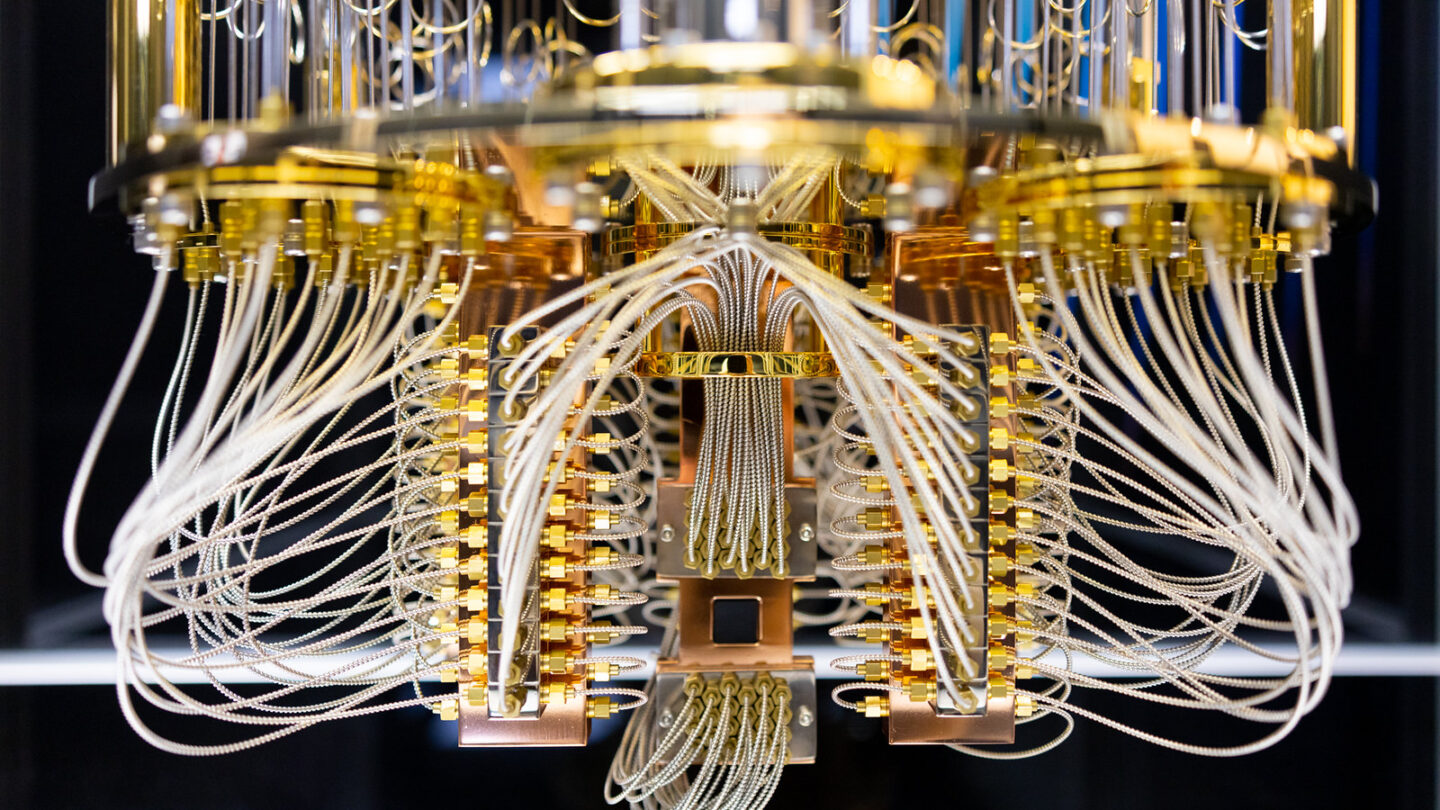
Unfortunately, even our fastest computers cannot capture every single detail that occurs on our planet. This is where quantum computing, a new kind of super-powerful technology, comes in. By processing enormous amounts of information in new ways, quantum computers could give us clearer forecasts, faster breakthroughs in clean energy, and smarter conservation strategies. While most people will not program a quantum computer, the truth is that everyone can still play a part in making this technology matter, whether it’s with forecasting, discovery, or protection.
Improved Climate Forecasts
Forecasts are one of the most important parts of modeling. They help guide everyday decisions from whether to bring an umbrella when going outside to how communities prepare for extreme weather like hurricanes. But current predictions are not always precise, especially with recent changes in the climate. A quantum computer could process far more data, making forecasting more accurate and local.
 This might mean people can know the exact timing of a flood, predict heatwaves weeks in advance, or give farmers better guidance for planning crops. Ordinary people can contribute to this through data collection. For example, many apps and devices already allow users to share local weather data, such as rainfall or temperatures from their backyards. These small contributions accumulate and feed into larger models. With quantum computing, that data becomes even more powerful. By simply using and supporting community-based apps, regular people can strengthen the very forecasts that protect their neighborhoods.
Discovering Clean Energy Faster
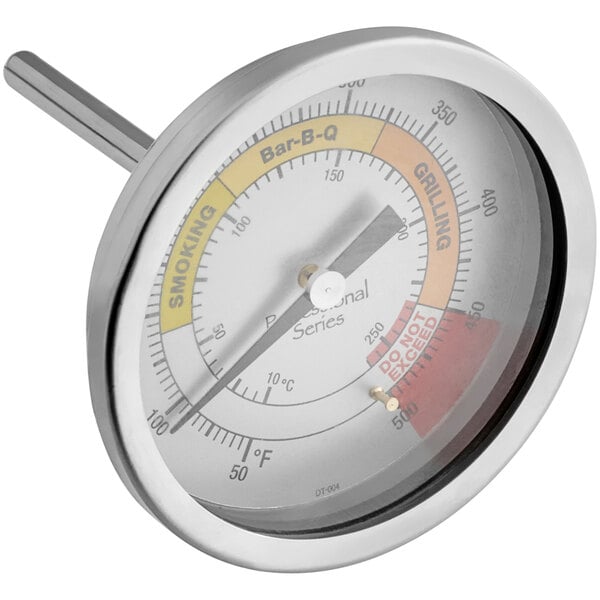
In addition to forecasting, technology can also help us discover clean energy faster, thus aiding in long-term conservation. Right now, scientists spend years testing materials for better solar panels, wind turbines, and batteries. With quantum computing, we could explore millions of options in a fraction of the time, making breakthroughs arrive much sooner. While everyday people won’t be conducting these experiments themselves, they still have a critical role to play: choosing to adopt clean energy when it becomes available. By joining a community solar program, switching to an energy-efficient appliance, or supporting local initiatives for renewable energy, everyone can make a difference.
Protecting Nature and Resources
Quantum computing can also model ecosystems in ways traditional computers can’t. From predicting how forests will react to climate shifts to tracking how oceans respond to warming, these models can help us guide conservation efforts. By doing so, it allows us to protect food, water, and the biodiversity of our environment in which we live. But protecting nature inst just the job of scientists and governments. Individuals can once again participate in citizen science projects, such as apps that track local wildlife or pollution. Even simple steps like planting trees, reducing waste, or shopping sustainably become more powerful when guided by quantum-enhanced data that shows which actions matter most. Together with technology and individual effort, climate modeling can actually make an impact in improving our lives and environment.
Conclusion
With companies like IBM already using quantum computing to explore climate and energy modeling through its Global Environmental Initiative, as well as Pasqal, which is working with researchers to simulate weather systems, this revolutionary technology is already starting to prove its role in climate modeling. However, only by connecting it to everyday choices can it truly improve our current situation with climate change. By sharing data through apps, adopting clean energy, participating in conservation programs, or supporting sustainable policies, individuals can help bring quantum power solutions to life. Quantum computing provides the knowledge and tools to make a change, but it's the people who decide how to use it who will actually make a difference.
Resources:
https://livingarchitecturemonitor.com/articles/apps-and-software-revolutionizing-biodiversity-monitoring-and-climate-advocacy-fa25
https://www.nature.com/articles/s41599-023-02358-7
https://thequantuminsider.com/2022/07/20/basf-pasqal-to-use-quantum-computers-for-weather-prediction/
https://www.pasqal.com/
https://www.ibm.com/quantum/blog/quantum-working-groups
https://research.ibm.com/blog/accelerating-materials-discovery

Leave Feedback!